
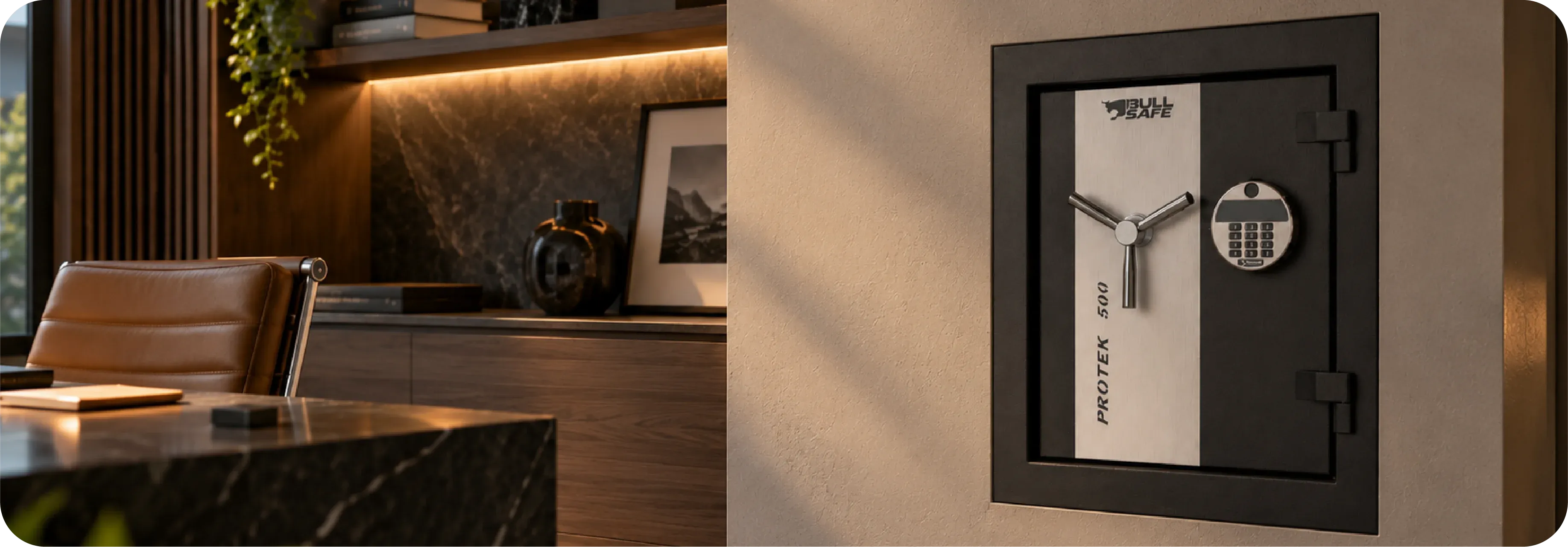
When security and discretion go hand in hand, a built-in safe is the most complete solution you can install in your home or business. Unlike wall-mounted boxes, built-in models are integrated into the structure of the building, whether in the wall or on the floor, making them practically invisible to any intruder and extremely difficult to remove. At Bullsafe you will find a wide selection of built-in safes adapted to different spaces, needs and budgets.
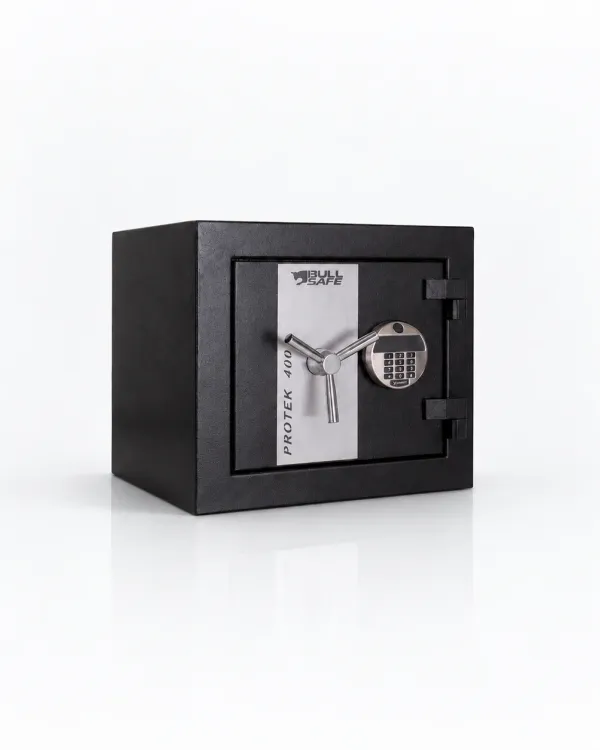
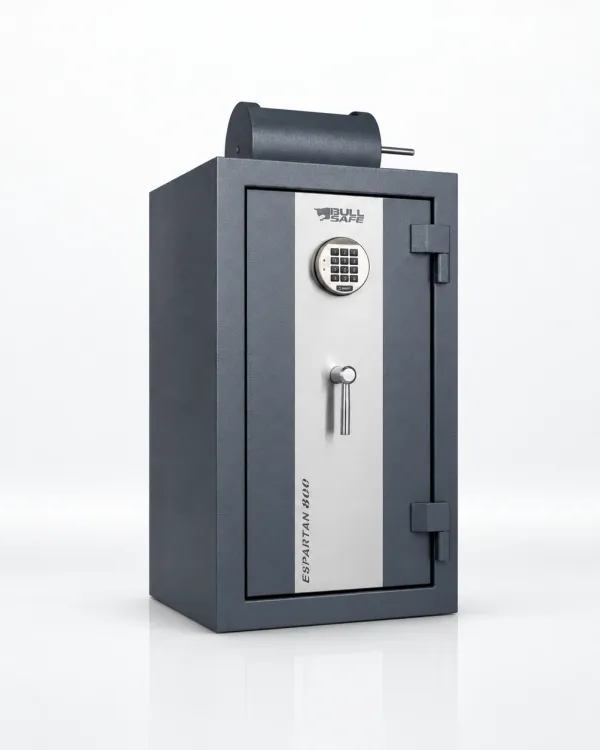
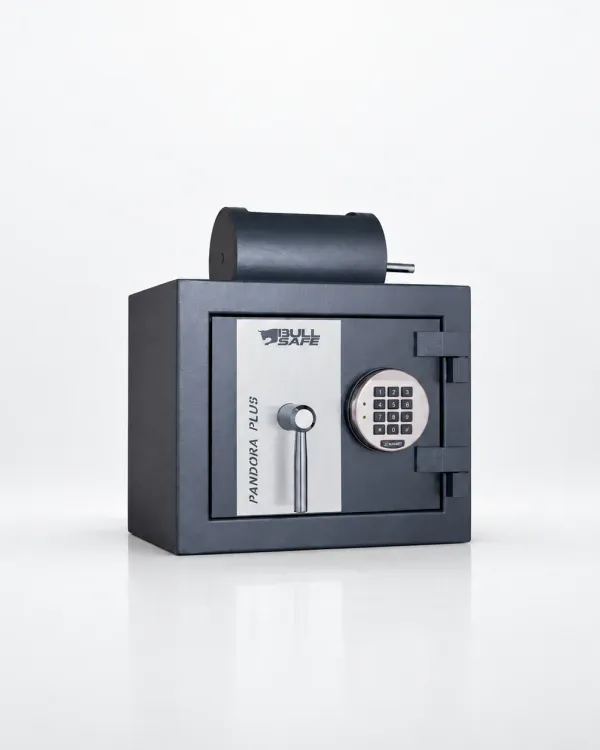
What is a built-in safe and how does it work?
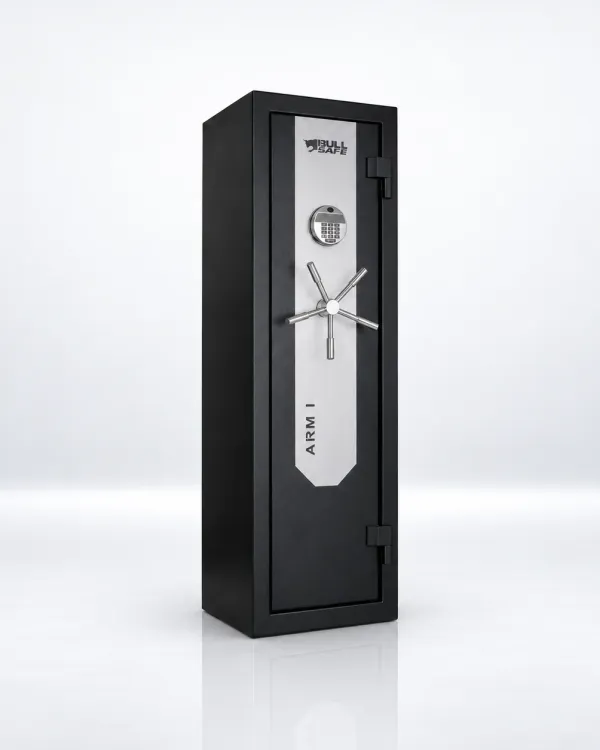
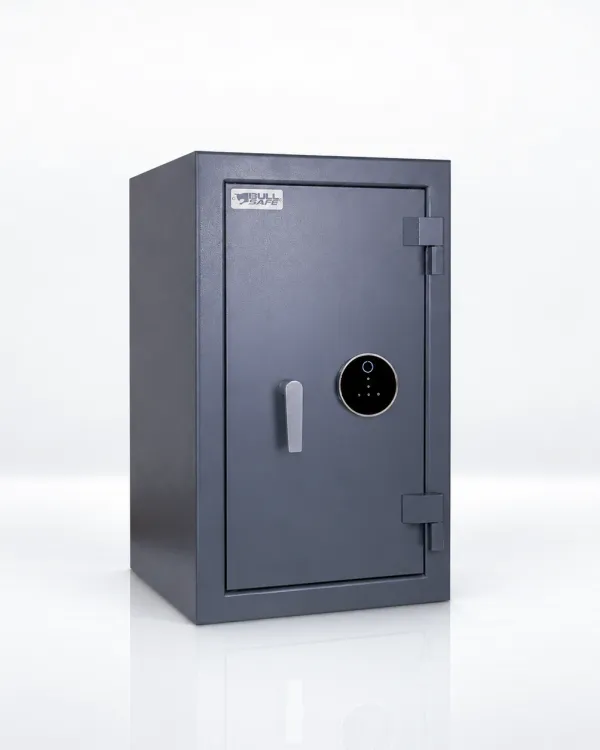
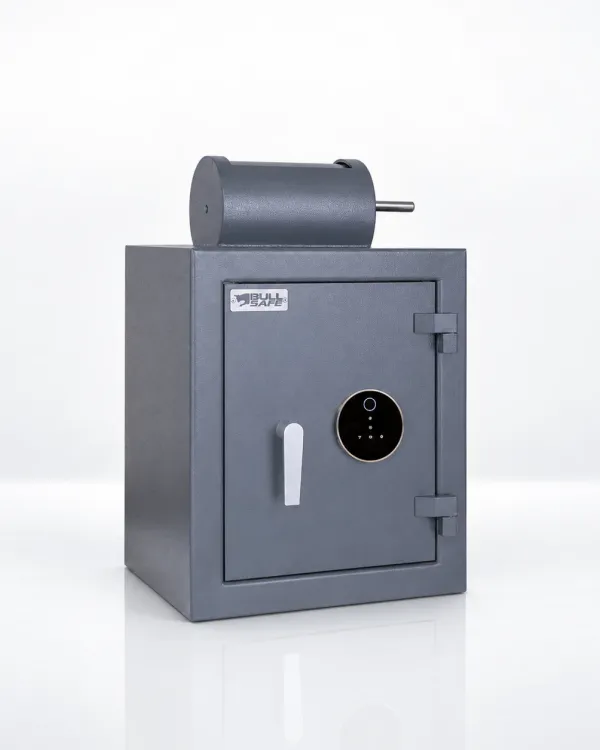
A built-in safe is a model specifically designed to be recessed into a wall, floor or other solid surface, so that its exterior is flush or slightly below the level of the surface. This structural integration fulfills two essential functions: on the one hand, it completely hides the box from plain sight; On the other hand, it turns the building structure itself into part of the security system, since removing it would require demolishing or seriously damaging the wall or floor where it is installed. Its operation is identical to that of any other safe: access is done using a key, electronic code or both systems combined. The difference is that, once installed, the box becomes part of the property, completely eliminating the risk of theft of the set.
Types of built-in safes
At Bullsafe we have a complete selection of models for each type of installation and user profile. Whether you are looking for a small built-in safe for the bedroom or a larger capacity model for your company, we have the right solution:
Small built-in wall safe
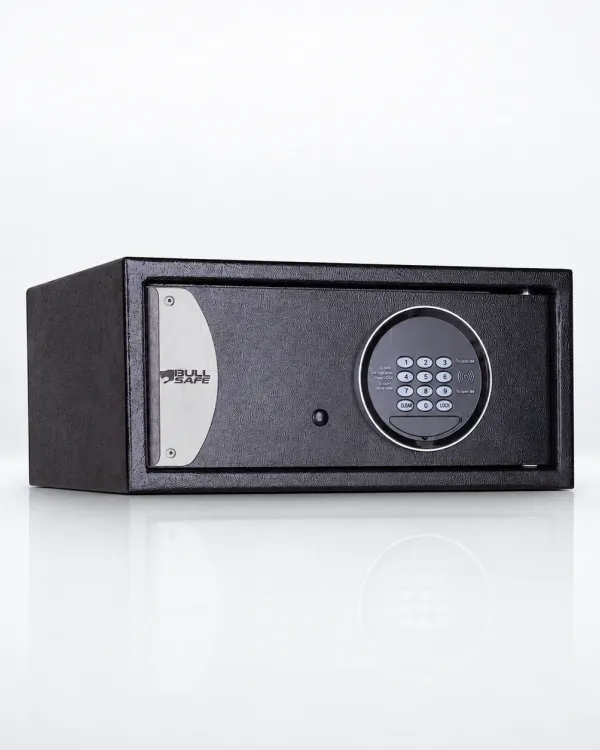
Designed to fit into standard partition walls, the small built-in safe is the most popular option for home use. Its compact dimensions allow it to be installed on almost any wall without the need for major work, and offer enough space for A4 format documents, jewelry, cash and small objects. It is perfect for bedrooms, dressing rooms or home offices.
Safe to be built into the wall with greater capacity
For those who need to store more objects or larger items, there are safe models to be built into the wall with greater depth and interior height. These models require thicker walls or walls, but offer significantly more storage capacity while maintaining all the advantages of built-in installation.
Safe to be built into the floor
The floor-mounted safe is the model with the highest level of concealment. Designed to sit flush with the floor, it is usually made with especially thick and resistant steel walls, since the floor is one of the first areas that thieves inspect in search of safes. It is the preferred option in businesses, jewelry stores, notaries and homes with collections of high-value objects.
BTV built-in safe
The BTV built-in safe is one of the most recognized references in the sector. The BTV models stand out for the solidity of their manufacturing, the reliability of their closing systems and their compatibility with standard installations. They are a highly valued option by both private users and professional installers, thanks to their relationship between quality, certified safety and ease of assembly.
Buying guide: How to choose your built-in safe?
Choosing well from the beginning avoids costly rectifications, since once installed, changing the model implies new work. Consider these factors before deciding:
1. Decide between wall or floor according to your space and use
If you need frequent access and have walls that are thick enough, a built-in wall safe is the most convenient option. If you prioritize maximum concealment and have a concrete slab available, the in-floor safe offers superior discretion. In both cases, measure the available space before purchasing to ensure that the chosen model fits correctly.
2. Check the wall thickness or floor depth
This is the most important technical factor. A safe to be built into the wall requires that the partition be at least as thick as the depth of the box. Standard brick partitions are usually between 11 and 15 cm, while load-bearing walls can exceed 25 cm. Always check the external dimensions of the model before purchasing and consult a professional if you have doubts about the feasibility of the installation.
3. Evaluate what you are going to save and how often
The content and frequency of use determine the most suitable size and type of lock. For daily access, an electronic lock with a PIN code is the most convenient option. For valuables that don't require regular access, a key or mechanical combination lock offers equally strong security without reliance on batteries.
4. Check security certifications
Quality built-in safes have European certifications that guarantee their resistance to forced opening attempts. These certifications are an objective indicator of the quality of the steel, the thickness of the walls and the resistance of the closing mechanisms. The higher the degree of certification, the greater the real protection.
5. Consider professional installation
Although some models allow DIY installation, in most cases it is recommended to have a professional installer, especially for built-in floor safes. Proper installation not only ensures structural safety, but also ensures that the box is properly leveled, sealed and concealed.