
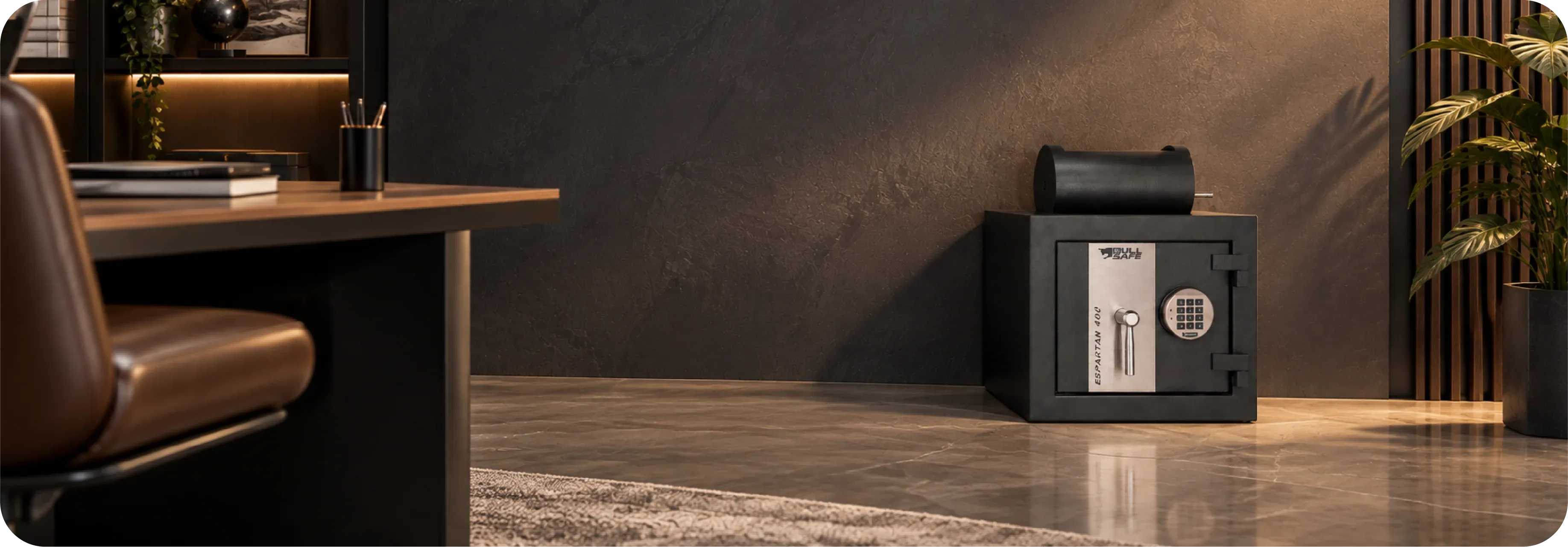
If you are looking for an effective security solution that does not require works or modifications to your home or business, wall-mounted safes are exactly what you need. Unlike built-in models, these boxes are installed directly on any solid surface, be it the floor, a wall or the inside of a piece of furniture, using an anchoring system with screws. The result is robust, immediate protection that can be adapted to practically any space.
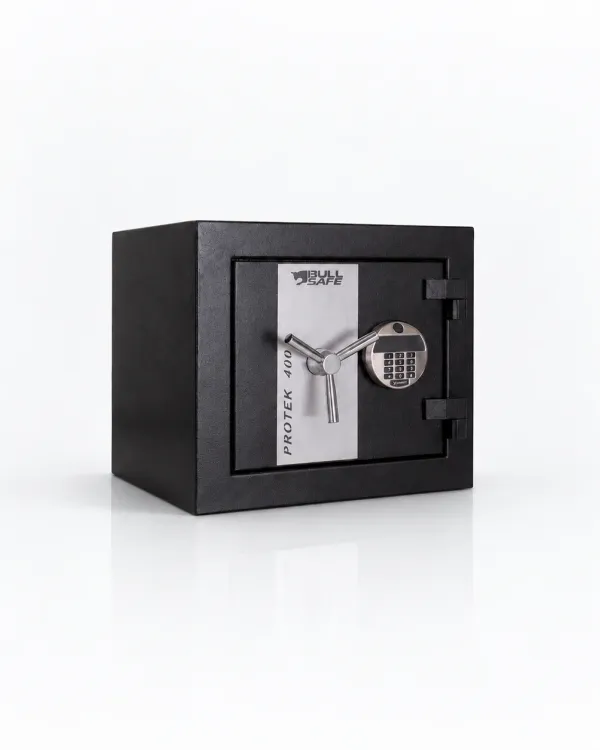
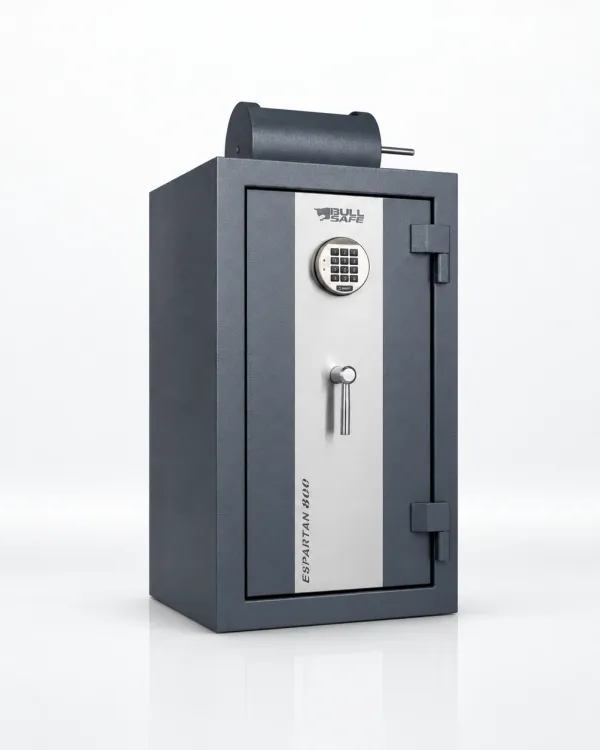
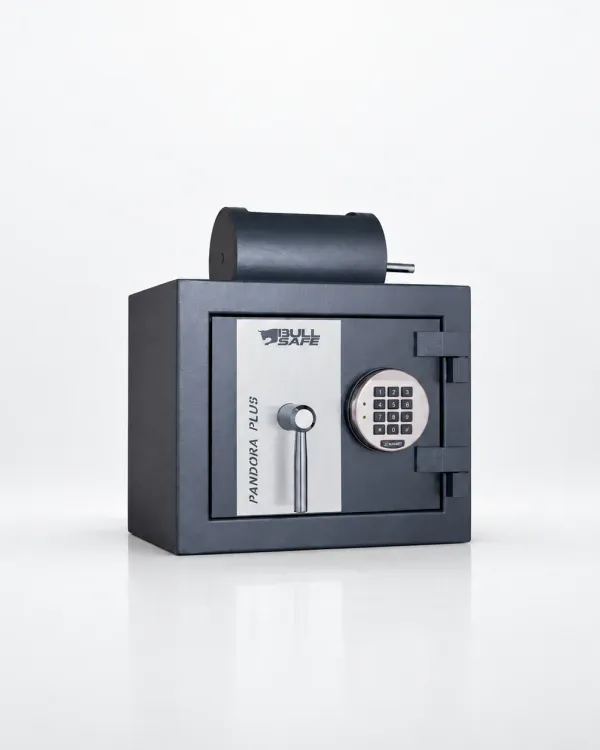
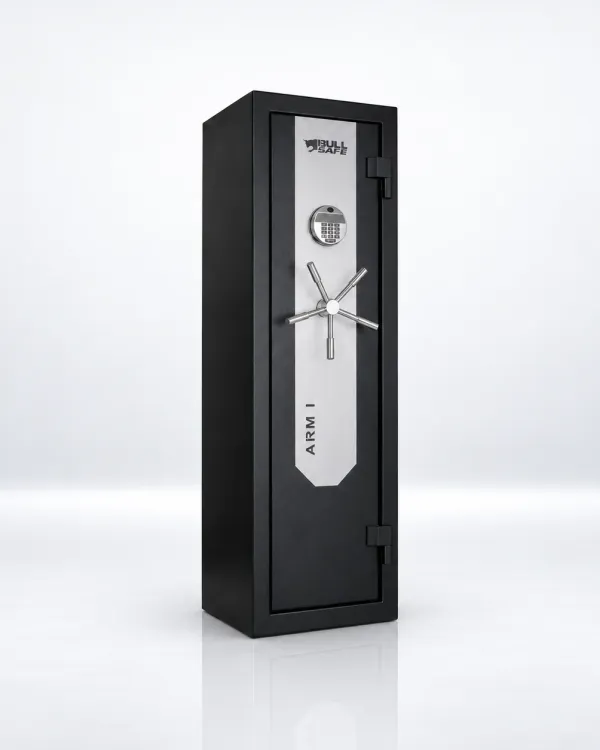
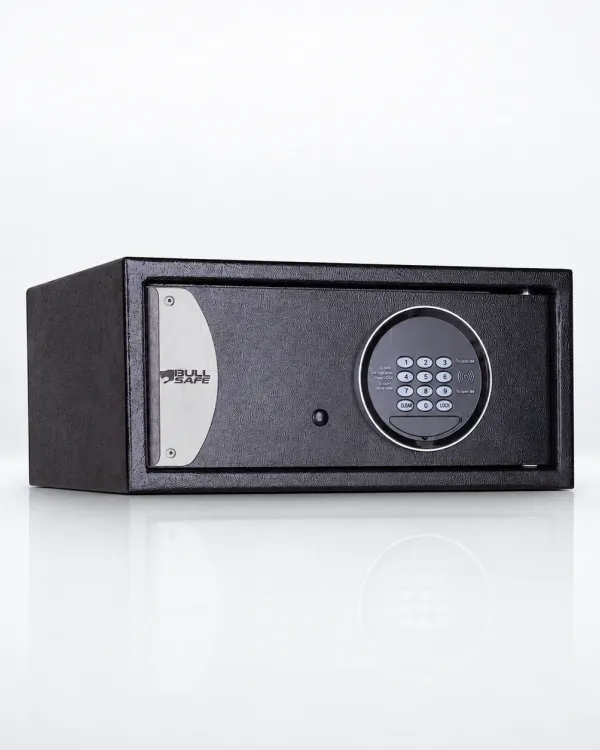
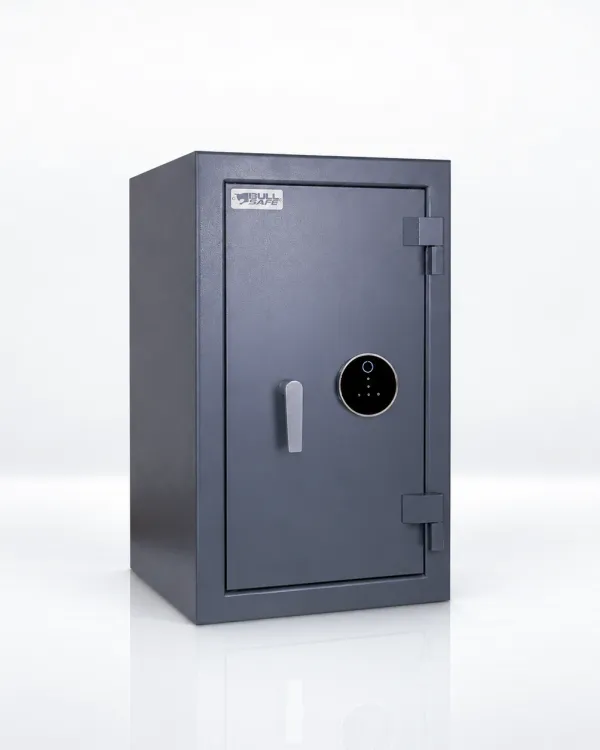
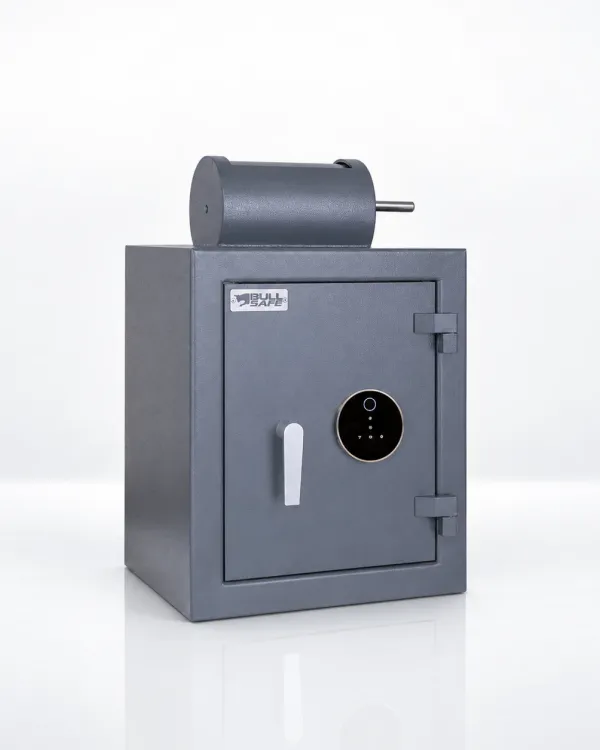
What makes a stack safe different?
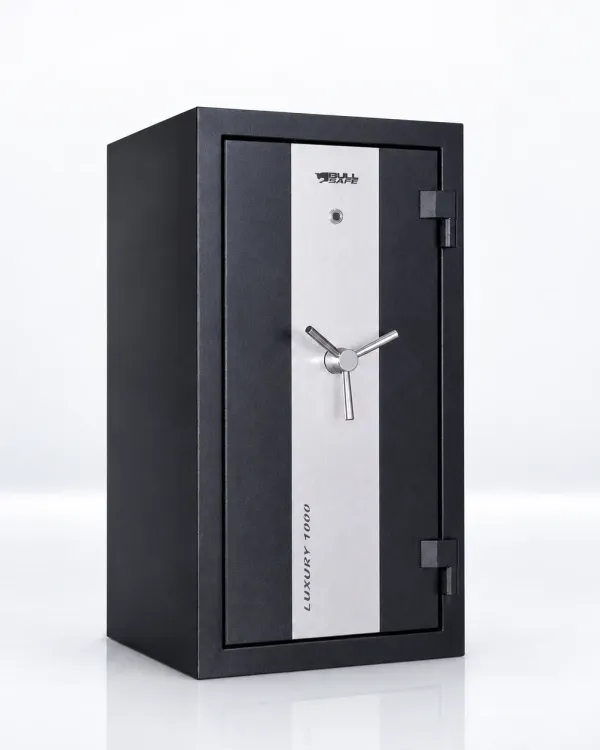
The main characteristic that distinguishes stack safes is their flexibility. As they do not require any type of work for their installation, they can be placed, relocated or even taken with them in case of moving, something impossible with built-in models. This makes them the favorite option for those who live in rental apartments, those who want to install their box without depending on a construction professional, or those who simply need an operational security solution in the shortest possible time. Its design is designed so that the anchoring to the floor or wall is so solid that, although the box is visible, it is practically impossible to start or transport without the appropriate tools. In terms of real safety, a properly anchored surface-mounted model is as effective as many built-in models, with the added advantage of a much simpler and reversible installation.
Types of built-in safes
Within the overlay models there is a wide variety of options, each one designed for a specific use. Knowing the differences will help you make the best decision based on what you need to protect and where you plan to install it:
Wall-mounted safes for the home
They are the most compact models of the family. They are designed to fit inside a closet, under a bed or in any discreet corner of the home. Its size is enough to store the most common valuables: identity documents, jewelry, cash, bank cards or spare keys. Many of these models combine an electronic lock with an emergency key, making them very versatile for daily family use.
Built-in safes for businesses
Models geared toward business use typically have higher capacity and thicker steel walls. They are designed to withstand intensive use, with frequent openings throughout the day, and to protect larger amounts of cash, sensitive documentation or small format equipment. Some incorporate slots for depositing bills without having to open the box, which is especially useful in shops and hospitality.
High-capacity stacking safes
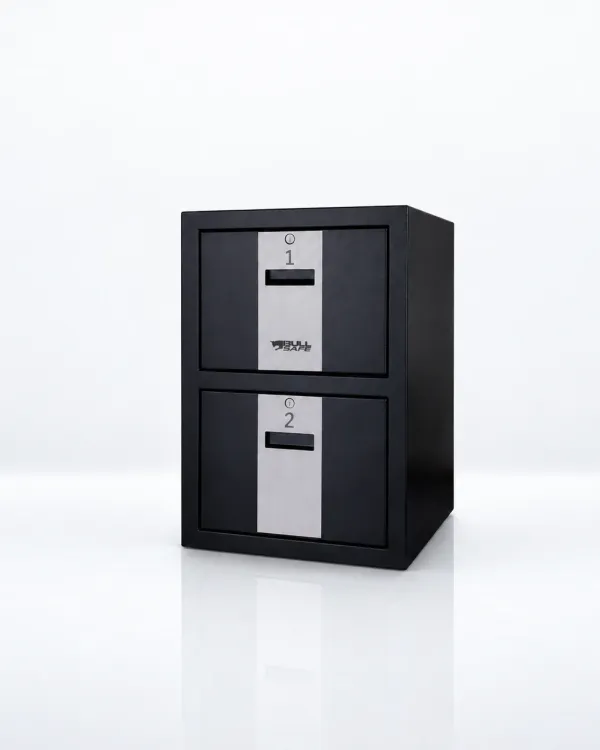
When the volume of what needs to be protected is considerable, large-capacity models allow you to store everything from file cabinets and folders to large-format objects, without giving up structural solidity or ease of anchoring. They are common in professional offices, notaries, clinics or any environment where abundant and confidential documentation is handled.
Buying guide: what to consider before choosing your wall-mounted safe
A well-planned purchase ensures that the box you choose will truly serve its purpose for years. Beyond the price, there are several aspects that make the difference between a model that will give you peace of mind and one that will fall short at the most important moment:
1. The thickness of steel matters more than it seems
Not all build-in safes are built to the same level of strength. The thickness of the steel walls and door is one of the most reliable indicators of the quality of a model. The greater the thickness, the longer a thief will need to try to force it open, which in most cases is equivalent to giving up.
2. Choose the opening system according to your routine
Electronic locks with PIN code are the most convenient for frequent openings, as they allow access in seconds. Key locks are simpler and do not rely on batteries, making them especially reliable. Some models combine both systems, offering quick access on a daily basis and a mechanical alternative in case of electronic failure.
3. Verify that the anchoring system is solid
A stacking box that is not properly anchored can be completely stolen in a matter of seconds. Make sure the model you choose includes anchoring holes in the base and back, and that the necessary hardware is included. Anchoring to the ground with a plug and screw is the most resistant; Anchoring to the wall is equally valid when the surface is solid.
4. Think about where you are going to install it before choosing the size
The most common mistake when purchasing a safe is choosing the size without having previously measured the space where it will be installed. Measure the available space in the closet, the space under the stairs or the corner of the office where you plan to place it, and compare those dimensions with the external measurements of the model you are interested in.
5. Consider weight as an additional safety factor
The weight of the box is an element of passive safety that is often underestimated. A heavier box is more difficult to move even without being anchored, and once secured to the floor or wall, its mass adds additional resistance to any extraction attempts. If you have the choice between two similar models, the heavier one is usually the more robust.